
Industry Insights
- Home
- Industry Insights
Educational Blog
Featured Articles
Moving is a major transition, and the right information makes all the difference. Our education center is designed to help you understand the moving process, prepare effectively, and make confident decisions—whether you’re moving locally or long distance. With practical tips and expert insights, we’re here to support you before, during, and after your move.
How to Prepare for Moving Day: A Step-by-Step Checklist
Learn what to do in the weeks and days leading up to your move, from organizing rooms to confirming access and parking.
Local vs. Long-Distance Moving: What’s the Difference?
Understand how planning, timelines, and logistics change depending on how far you’re moving—and what to expect from your movers.
How Professional Movers Protect Your Furniture and Home
Discover the materials and techniques used to prevent damage to floors, walls, and furniture during a move.
Finding Smarter Ways to Move and Deliver More Efficiently
Explore how modern logistics strategies and better communication systems are helping moving companies improve delivery efficiency and service reliability.
Packing Like a Pro: Tips to Keep Your Belongings Safe During a Move
Learn how proper packing techniques and the right materials can protect your belongings and make your move more organized.
The Planning and Techniques Behind a Professional Move
Discover how careful planning, skilled crews, and proven techniques come together to ensure a safe and organized moving experience.
Educational Blog
How to Prepare for Moving Day: A Step-by-Step Checklist
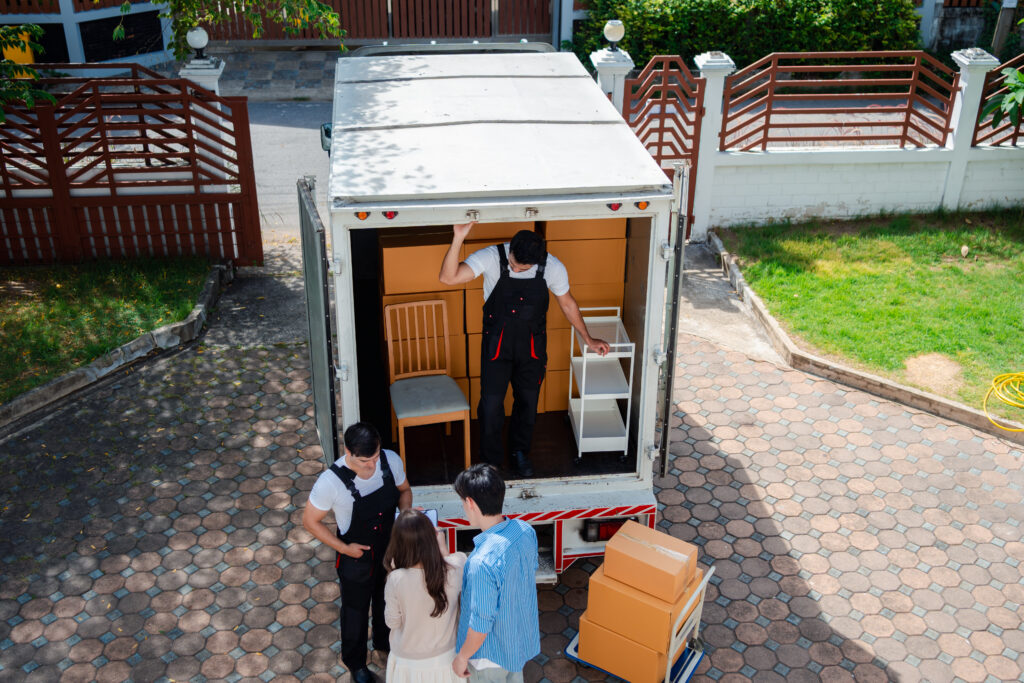
Learn what to do in the weeks and days leading up to your move, from organizing rooms to confirming access and parking.
Moving day becomes significantly easier when preparation begins well in advance. In the weeks leading up to your move, start by organizing your home room by room. Sort belongings into categories such as keep, donate, recycle, or discard to reduce the number of items that need to be transported. Label boxes clearly by room and content, and keep essential items—such as medications, important documents, and chargers—in a separate box that stays with you during the move.
As moving day approaches, confirm key logistical details with your moving company. Ensure building access is arranged, elevators are reserved if necessary, and parking space for the moving truck is secured. These small details can make a major difference in how efficiently the move is completed. Inform your movers about any large or fragile items ahead of time so the proper equipment and materials can be prepared.
The day before your move, complete final tasks such as unplugging appliances, packing a personal essentials bag, and walking through your home to ensure nothing is forgotten. Clear pathways so movers can safely transport furniture without obstruction. With proper planning and coordination, moving day becomes a structured process rather than a stressful event.
Educational Blog
Local vs. Long-Distance Moving: What’s the Difference?
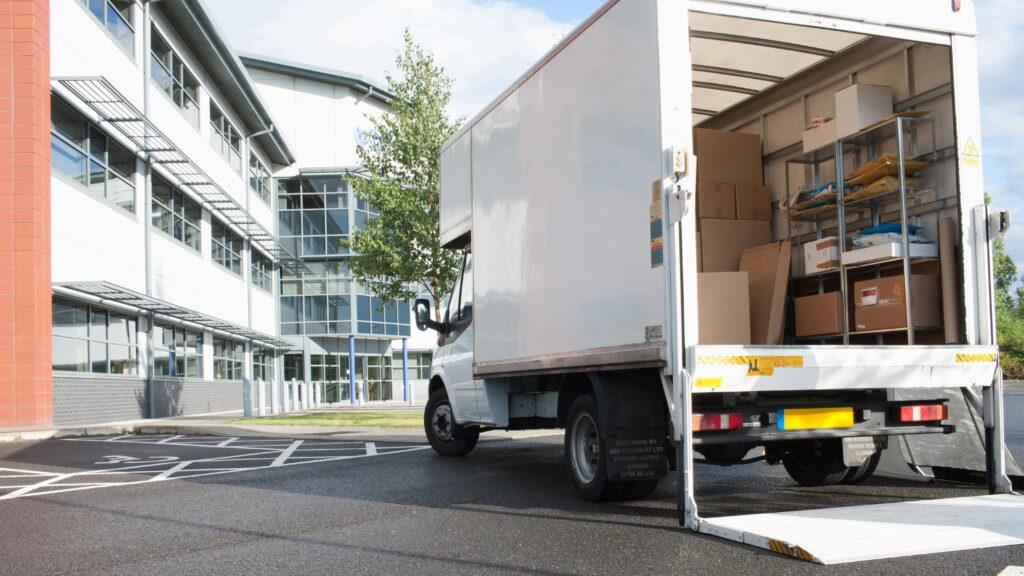
Understand how planning, timelines, and logistics change depending on how far you’re moving—and what to expect from your movers.
While both types of moves involve transporting belongings from one location to another, local and long-distance moves require very different planning approaches. Local moves typically occur within the same city or nearby areas and are often completed within a single day. Because the distance is shorter, the logistics focus primarily on efficient loading, transportation, and unloading.
Long-distance moves, however, involve significantly more coordination. Routes must be carefully planned, delivery timelines scheduled, and additional precautions taken to ensure items remain secure during extended travel. Depending on the distance, moves may take multiple days and require detailed inventory tracking to ensure every item arrives safely at its destination.
For clients, the biggest difference is preparation. Long-distance moves benefit from earlier planning, thorough packing, and detailed communication with your movers regarding delivery expectations. Working with experienced movers who understand both types of relocations ensures the process remains organized and predictable, no matter the distance involved.
Educational Blog
How Professional Movers Protect Your Furniture and Home
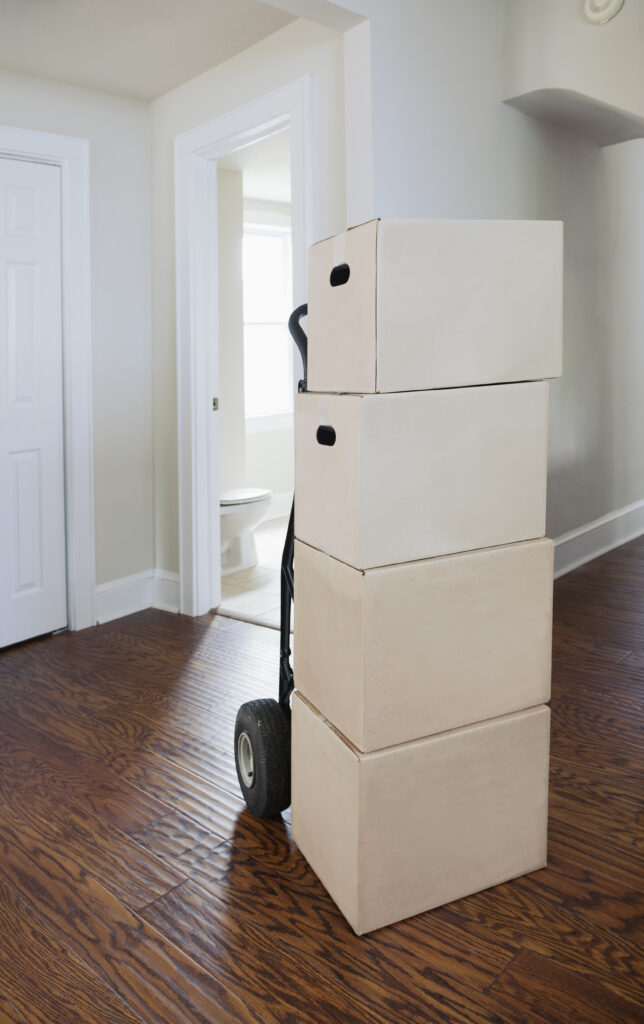
Discover the materials and techniques used to prevent damage to floors, walls, and furniture during a move.
Professional movers use specialized materials and techniques designed to protect both your belongings and the property being moved from and into. Furniture is typically wrapped in heavy-duty moving blankets and secured with stretch wrap to prevent scratches, dents, and shifting during transportation. Fragile items are carefully packed using reinforced boxes, padding, and protective materials designed to absorb movement.
Inside the home, movers take precautions to prevent damage to floors, walls, and doorways. Protective floor runners are often used in high-traffic areas, while door frames and stair railings may be padded during large moves. Equipment such as dollies, lifting straps, and furniture sliders allow heavy items to be moved safely without dragging or scraping surfaces.
These professional methods ensure that both your belongings and your property remain protected throughout the moving process. Experienced moving crews are trained to anticipate potential risks and handle items carefully, allowing the entire relocation to be completed efficiently while minimizing the chance of damage.
Educational Blog
Finding Smarter Ways to Move and Deliver More Efficiently
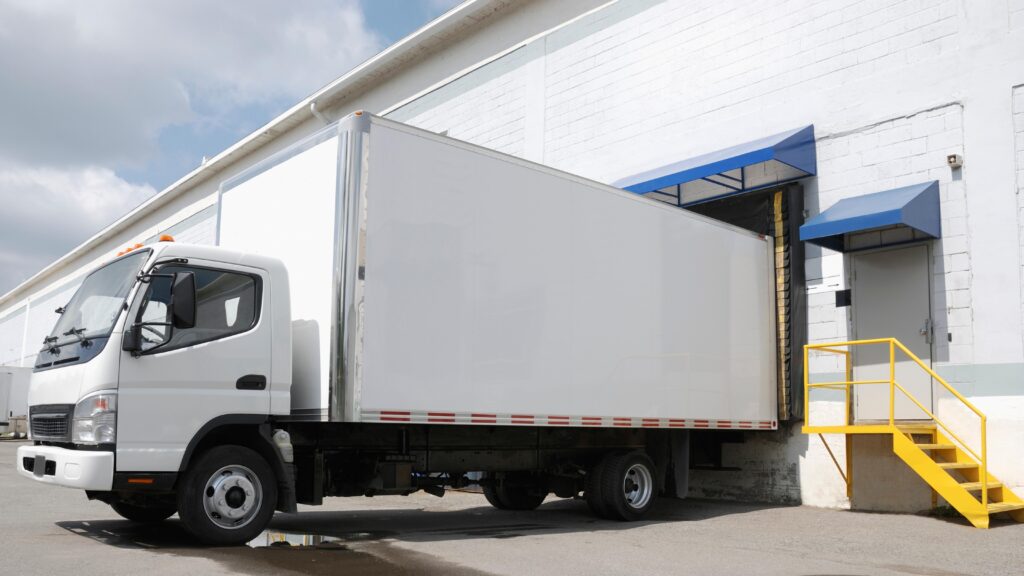
Explore how modern logistics strategies and better communication systems are helping moving companies improve delivery efficiency and service reliability.
Efficiency has become one of the most important goals in modern transportation and logistics. As businesses and customers expect faster service and clearer communication, moving and delivery companies are continually looking for better ways to coordinate routes, manage scheduling, and optimize how shipments are handled. Improving efficiency isn’t only about speed — it’s about reducing unnecessary delays while maintaining careful handling and dependable service.
At our company, we actively look for ways to streamline the moving and delivery process through improved planning and communication. This includes better route coordination, structured scheduling systems, and digital communication tools that help teams stay aligned throughout each stage of a move or delivery. By organizing these elements effectively, we can reduce downtime, minimize confusion, and ensure every transport job runs more smoothly.
Efficiency also benefits the clients and businesses we work with. When logistics operations are organized and predictable, customers receive clearer timelines, businesses experience fewer disruptions, and teams can focus on executing their work safely and professionally. As logistics technology and communication systems continue to evolve, we remain committed to adopting smarter methods that improve reliability and overall service quality.
Educational Blog
Packing Like a Pro: Tips to Keep Your Belongings Safe During a Move
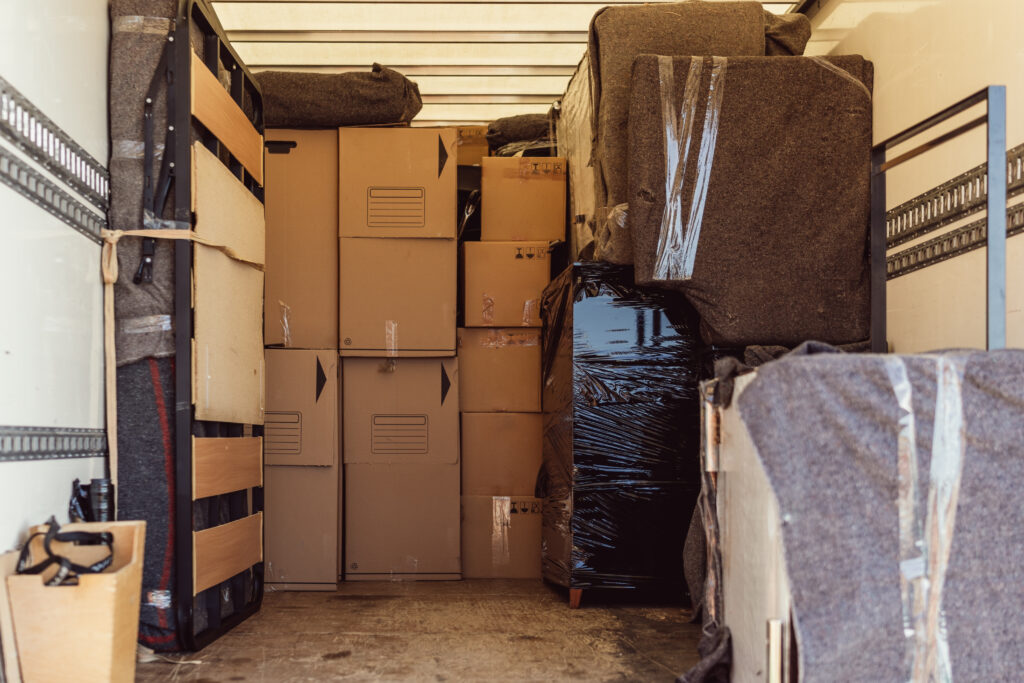
Learn how proper packing techniques and the right materials can protect your belongings and make your move more organized.
Packing properly is one of the most important steps in ensuring a successful move. Many people underestimate how much preparation goes into protecting belongings during transportation. Using strong moving boxes, packing paper, bubble wrap, and durable tape helps prevent items from shifting or becoming damaged while being loaded and transported.
A helpful strategy is to pack room by room while clearly labeling every box with both its contents and destination room. Heavier items should go into smaller boxes to keep them manageable, while lighter household items can be placed in larger boxes. Fragile belongings such as glassware, artwork, and electronics should be individually wrapped and tightly secured so they remain stable throughout the move.
Professional movers are trained to pack items efficiently while balancing weight and protecting delicate pieces. Even when clients choose to pack some belongings themselves, following professional packing methods helps reduce risk and keeps the unloading process much more organized once everything arrives at the new location.
Educational Blog
The Planning and Techniques Behind a Professional Move
Discover how careful planning, skilled crews, and proven techniques come together to ensure a safe and organized moving experience.
A successful move begins long before the first box is lifted. Professional moving companies rely on detailed planning to determine how each move should be handled. This includes evaluating the size of the job, identifying items that require special care, and planning the safest and most efficient loading order. By approaching every project with a clear strategy, movers can prevent delays, reduce risk, and ensure that belongings are transported securely.
Skill and technique also play a major role in the moving process. Experienced crews are trained to wrap furniture properly, distribute weight evenly inside the truck, and use equipment such as dollies, straps, and protective blankets to move heavy items safely. These techniques help prevent damage to both the items being transported and the homes or buildings involved in the move.
Equally important are the operational decisions made throughout the move itself. Crew leads monitor the workflow, coordinate team members, and adjust the process as needed to maintain efficiency and safety. By combining preparation, technical skill, and on-site leadership, professional movers are able to deliver a structured and dependable moving experience for their clients.
Frequently Asked Questions
How far in advance should I book my move?
We recommend booking as early as possible to secure your preferred date, especially during peak moving seasons. However, we also accommodate short-notice moves when availability allows.
Are you licensed and insured?
Yes. Home Shift Moving operates as a fully licensed and insured moving company. This ensures your belongings are protected and your move meets industry standards.
What is included in your moving services?
Our services include professional loading, transportation, unloading, and basic furniture protection. Additional services such as packing, specialty item handling, and long-distance coordination are available upon request.
How do you protect furniture and fragile items?
Our services include professional loading, transportation, unloading, and basic furniture protection. Additional services such as packing, specialty item handling, and long-distance coordination are available upon request.
Do you offer local and long-distance moving?
Yes. We provide both local and long-distance moving services for residential and commercial clients. Each move is carefully planned to ensure timely and secure delivery.
How is pricing determined?
Pricing is based on factors such as move size, distance, access requirements, and selected services. We provide clear, upfront quotes so you know exactly what to expect.